
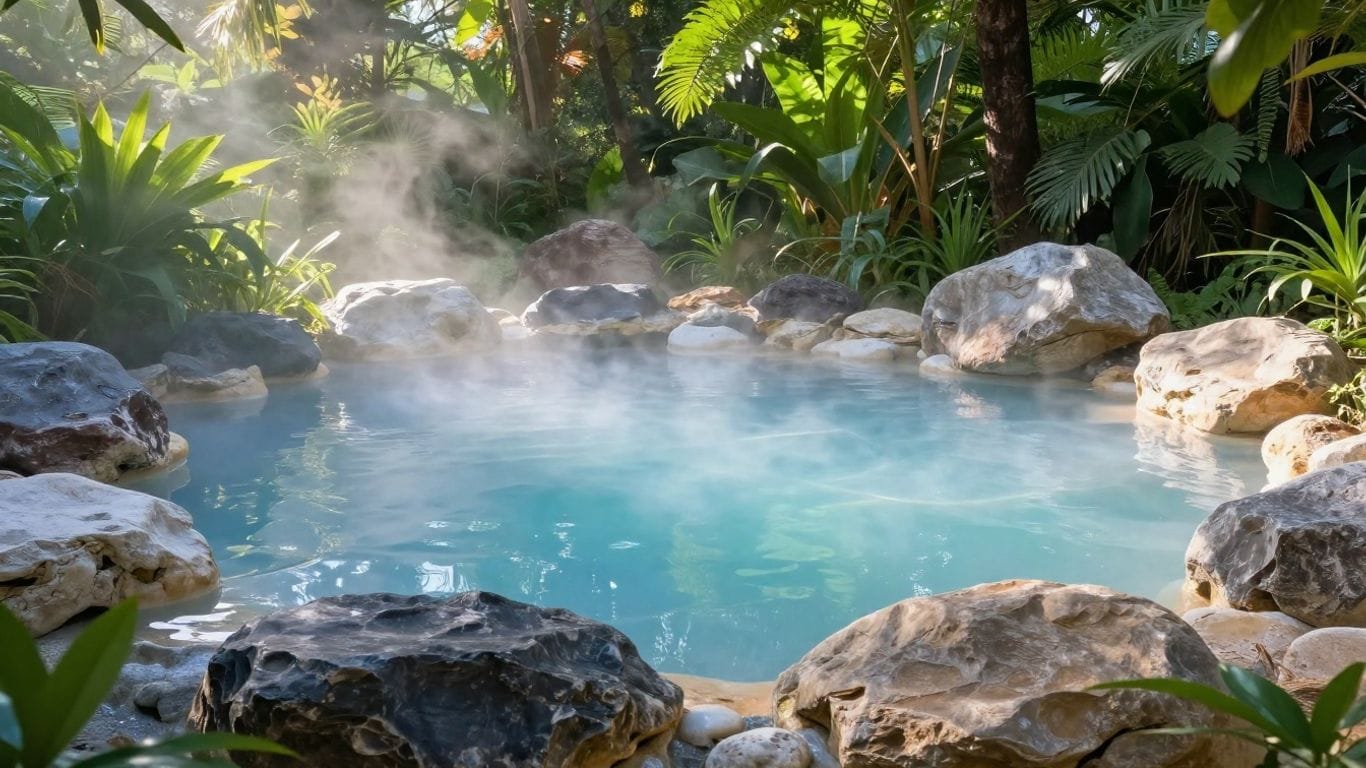
Thermalism, the practice of using mineral-rich spring waters for therapeutic purposes, is experiencing a significant revival. Far from being a fleeting trend, this ancient healing art, with roots stretching back to Gallo-Roman times, is adapting to modern health needs. Renowned spa towns like Dax, Vichy, and Balaruc-les-Bains are reinventing their offerings, blending traditional water-based treatments with contemporary wellness and preventative care, positioning thermalism as a key component of future healthcare.
Key Takeaways
- Thermalism leverages diverse water-based treatments for various ailments.
- Specific water compositions target distinct health issues.
- Conventionally reimbursed cures last 18 days and cover 12 therapeutic areas.
- Beyond medical cures, wellness-focused mini-cures and holistic approaches are expanding.
- Research increasingly validates the efficacy of thermal treatments.
Diverse Therapeutic Applications
Thermal spas offer a wide array of treatments, many of which are less known but highly effective for specific conditions. These include filiform showers for dermatological issues, aerosol therapy for respiratory problems, and steam pulverizations for pain relief. Specialized treatments also exist, such as CO2 baths for cardiovascular conditions and vaginal irrigations for gynecological issues like endometriosis. Alternating hot and cold leg baths (Pedikneipp) are beneficial for phlebology, while drinking thermal water, under medical guidance, aids various internal conditions.
Understanding Thermal Waters
Different water compositions cater to specific health needs. Sulfurous waters soothe mucous membranes, beneficial for respiratory ailments. Calcic sulfate waters are recommended for kidney health and metabolic disorders. Mixed sulfate waters help with eczema and burns. Chlorinated waters can stimulate growth, while sodium bicarbonate waters aid digestion and liver function. Calcium bicarbonate waters are useful for skin conditions like acne and burns. Waters with specific minerals like copper, iron, or arsenic offer targeted benefits for skin, anemia, and allergies, respectively.
For instance, the waters of Brides-les-Bains, rich in calcium sulfate, help control appetite and support liver function, making them ideal for weight management and metabolic issues. Vals-les-Bains’ sodium bicarbonate waters are known for regulating blood sugar, benefiting diabetic patients. Vichy, a prominent spa town, boasts nine different springs with unique compositions beneficial for digestion and acid-base balance.
Recognized Therapeutic Orientations
Conventionally reimbursed thermal cures, typically lasting 18 days, are recognized for twelve main therapeutic areas:
- Rheumatology (arthritis, inflammatory rheumatism, post-traumatic sequelae)
- Phlebology (varicose veins, post-phlebitis sequelae)
- Respiratory Tracts (allergic rhinitis, sinusitis, otitis)
- Dermatology (acne, eczema, psoriasis, burns sequelae)
- Urinary Tracts (cystitis, vaginal infections)
- Mouth Affections (gum disease, aphthous ulcers)
- Digestive System (metabolic diseases, stomach and liver disorders)
- Cardiovascular Diseases (hypertension, Raynaud’s disease)
- Neurology (stroke sequelae, Parkinson’s disease, multiple sclerosis)
- Gynecology (pelvic pain, endometriosis, recurrent mycoses)
- Psychosomatic Affections (anxiety, phobias, sleep disorders)
- Post-Cancer Care
While rheumatology remains the most common reason for thermal cures (around 80% of patients), specialized stations address rarer conditions. For example, only a few stations treat neurological conditions, while others focus on emerging issues like endometriosis and fibromyalgia, offering specialized programs and patient education.
The Shift Towards Wellness
In addition to medically prescribed cures, many French spa towns are expanding their offerings to attract a younger demographic and those seeking general well-being. This includes shorter "discovery," "detox," or "relaxation" mini-cures, often lasting one to three days. Many stations now feature spas, "thermoludic" (water-based fun) areas, and sensory experiences. These wellness treatments, while not reimbursed by social security, provide personal comfort and relaxation.
Holistic Approaches and Future Directions
An ecosystem of complementary support is developing around thermal treatments, aiming for holistic regeneration. This includes stress management schools, post-cancer programs incorporating physical activity and nutrition, and sleep-focused mini-cures that promote lifestyle changes. Some stations even offer mini-cures for caregivers, incorporating music therapy and relaxation techniques. This integrated approach enhances the overall benefits of thermal therapies.
Research continues to validate the effectiveness of thermalism. Studies have shown its role in preventing cognitive decline, aiding recovery after breast cancer, managing chronic venous diseases, and improving outcomes for metabolic syndrome, obesity, and fibromyalgia. Many patients report significant pain reduction and decreased medication use, with a high rate of returnees attesting to the long-term benefits and improved quality of life.
