
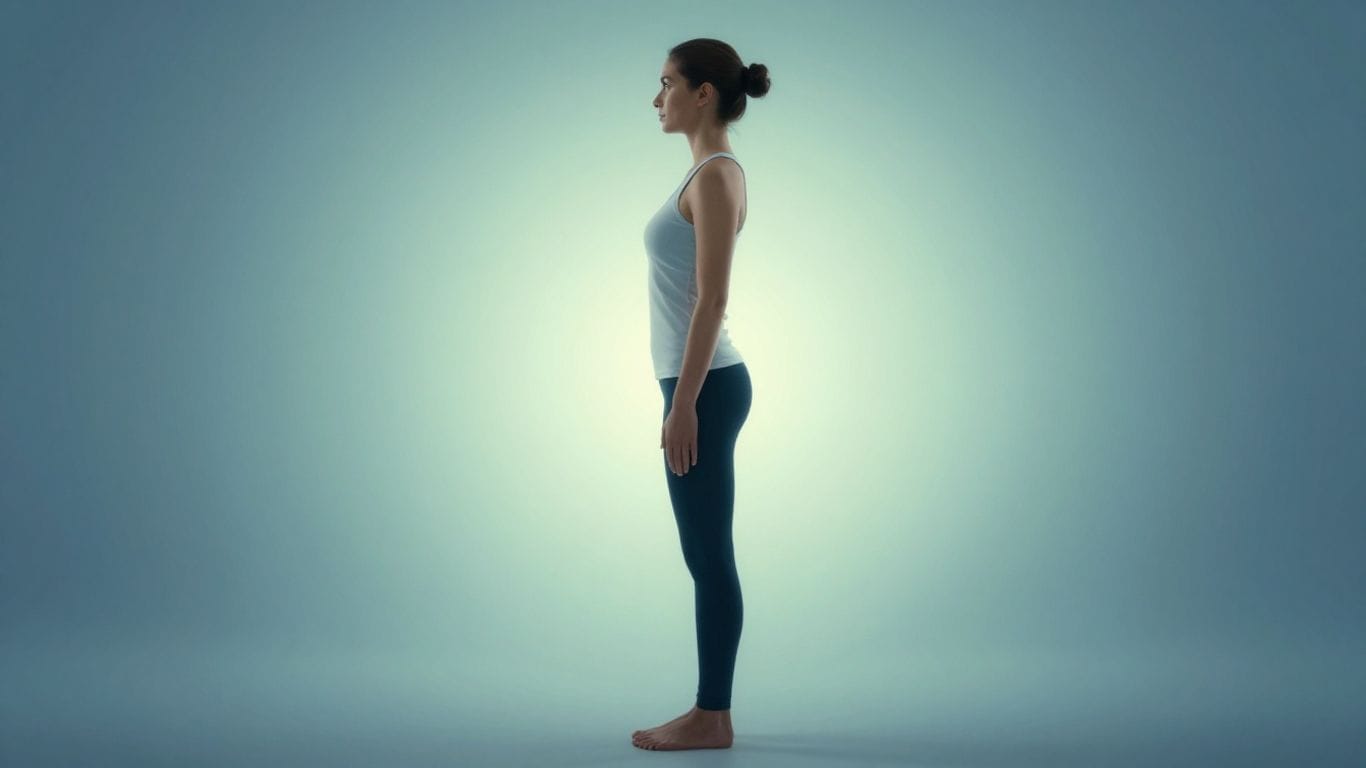
Our modern lifestyles, characterized by prolonged sitting and sedentary habits, are increasingly being linked to a host of physical ailments, often referred to as the "malady of the century." While the transition to bipedalism millions of years ago offered evolutionary advantages, it also introduced new vulnerabilities. Understanding and addressing postural issues is crucial for overall well-being, and posturology offers a specialized approach to tackle these challenges.
Key Takeaways
- Poor posture is a widespread issue, exacerbated by modern sedentary lifestyles.
- Our ability to maintain posture is influenced by a complex interplay of sensory inputs and environmental factors.
- While not a cure-all, posturology can address a significant percentage of chronic discomforts.
- Choosing a qualified posturologist is essential due to the lack of regulated professional standards.
The Evolutionary Shift and Postural Challenges
The evolution to an upright stance over 3.5 million years ago allowed humans to move more efficiently, free their hands, and develop tools. However, this adaptation also placed greater stress on the spine and lower body. Compared to primates and our quadrupedal ancestors, humans are more prone to lower back pain, herniated discs, hip and knee arthritis, and fallen arches.
Understanding Postural Influences
According to Dr. Nicolas Meyer, a general practitioner, osteopath, and posturology specialist, our posture is not solely determined by conscious effort. It is intricately linked to how various sensory systems orient us in space. These include our vision, the muscular tone of our spine, our inner ear, and how our feet interact with the ground. Environmental constraints, such as spending eight hours a day working at a desk, further compound these influences. Our daily posture is often unconscious, shaped by heredity or the malfunction of a specific postural sensor.
The Role of a Posturologist
Posturologists often see patients experiencing issues like rounded shoulders, jaw tension, or chronic pain that has led them to seek "therapeutic wandering." Dr. Meyer emphasizes that chronic discomfort should not be dismissed as a normal part of aging. While not all pain is posture-related (e.g., arthritis), he estimates that posturology can identify and address issues in about 70% of cases. It’s important to note that the profession of posturology is not yet regulated, meaning the quality of private diplomas can vary significantly. Therefore, it is advisable to seek a posturologue who is a medical doctor and holds a university diploma in posturology, and who does not attribute all problems solely to postural issues.
Debunking Posturology Myths
Dr. Meyer addresses common misconceptions about posturology:
- Myth: Posturology is not recognized by medicine. Fact: Numerous hospital teams and researchers are studying and developing posturology. A recognized inter-university diploma has existed for about fifteen years.
- Myth: Posturology aims to make people stand up straight. Fact: The primary goal is not to enforce a rigid upright posture but to help the body find a better postural balance. Improved posture is often a beneficial side effect.
- Myth: Posturology changes how the body functions. Fact: Postural treatment enables the body to better distribute and manage the stresses it endures, leading to improved function.
