
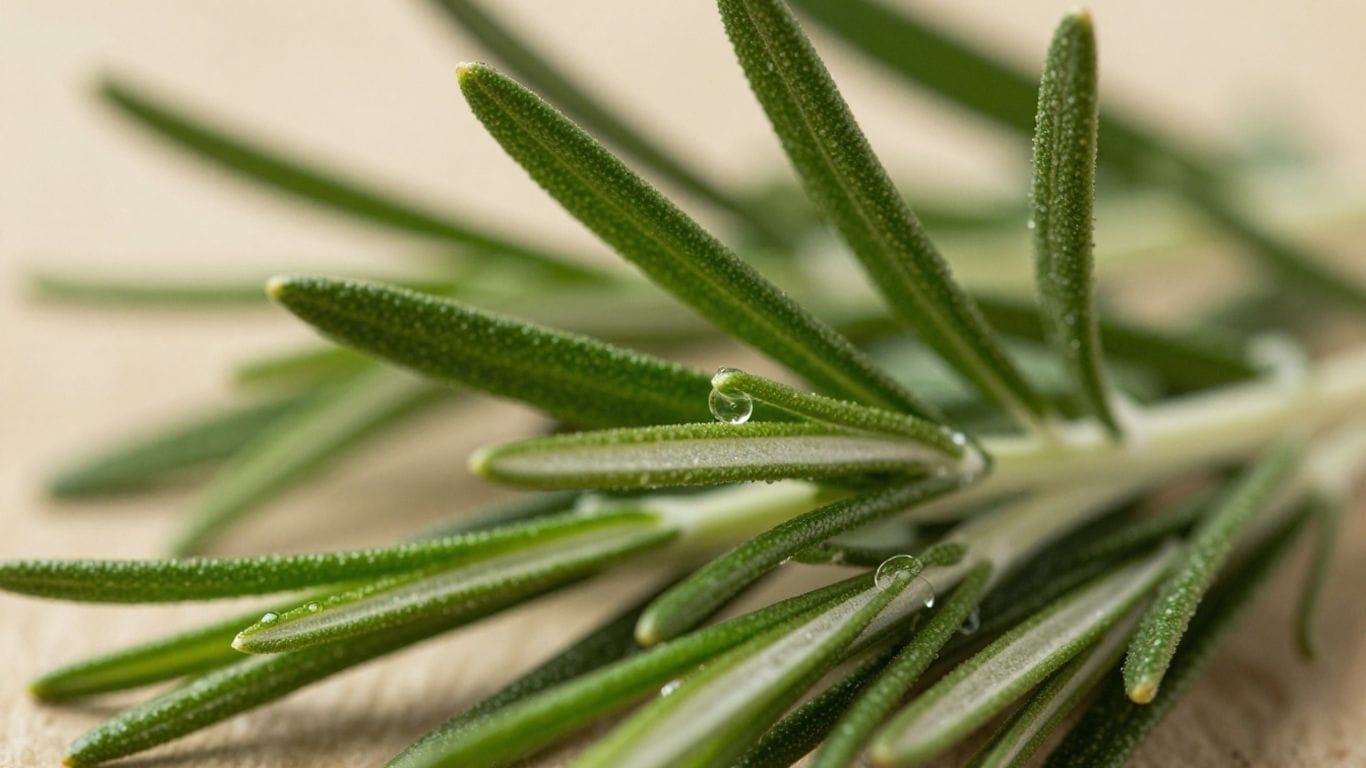
Recent scientific research is shedding light on the potential of carnosic acid, a natural compound found in rosemary and sage, to combat Alzheimer’s disease. This discovery builds upon centuries of anecdotal evidence linking rosemary to memory enhancement and suggests a promising avenue for cognitive health preservation.
Key Takeaways
- Carnosic acid, present in rosemary and sage, exhibits antioxidant and anti-inflammatory properties.
- A synthesized, stable form of carnosic acid (diAcCA) improved memory and increased synapse density in mice models of Alzheimer’s.
- Significant reduction in brain inflammation was observed in these animal studies.
- Further human clinical trials are necessary to confirm efficacy and safety.
Unlocking the Potential of Carnosic Acid
For years, rosemary has been traditionally associated with memory improvement. Now, scientific inquiry is beginning to validate these claims. Researchers have identified carnosic acid, a key component in rosemary (Rosmarinus officinalis) and sage (Salvia officinalis), as a compound with significant therapeutic potential against Alzheimer’s disease.
Memory Enhancement and Brain Inflammation Reduction
Carnosic acid is well-known for its potent antioxidant and anti-inflammatory capabilities. However, its inherent chemical instability has historically hindered its therapeutic application. To overcome this challenge, scientists have developed a stable, synthesised form called diAcCA, which converts into carnosic acid within the body. When administered to mice in an Alzheimer’s disease model, diAcCA demonstrated a remarkable improvement in memory function and an increase in synapse density – the crucial connections between neurons responsible for information transmission.
Furthermore, the studies observed a notable decrease in cerebral inflammation, indicating that the compound specifically targets affected areas of the brain in Alzheimer’s disease.
Nature’s Therapeutic Treasures
While human clinical trials are essential to confirm the effectiveness and safety of this new form of carnosic acid, this breakthrough reinforces the idea that nature holds untapped therapeutic resources for safeguarding cognitive health. Beyond rosemary and sage, carnosic acid is also found in other plants belonging to the Lamiaceae family, such as thyme (Thymus vulgaris) and basil (Ocimum basilicum). Incorporating these aromatic herbs into daily meals is a simple way to potentially benefit from their compounds.
Rosemary Essential Oil and Memory
In addition to its carnosic acid content, rosemary is also recognized for its positive effects on memory through olfactotherapy. Even though rosemary essential oil itself does not contain carnosic acid, studies suggest that rosemary essential oil with 1,8-cineole can significantly enhance the quality of life for individuals experiencing memory issues, particularly by aiding in remembering daily tasks.
